Reading the Menu: A Guide for Diners
A restaurant menu tells you far more than what dishes are available. For the experienced diner, it reveals the kitchen's values, the chef's confidence, and whether the restaurant is built on quality or shortcuts. Learning to read between the lines of a menu transforms how you choose where to eat. The menu is your first real conversation with the restaurant—and in North Andover's dining scene, restaurants that are doing things right make their intentions clear on the page.
When Counter Handbook evaluates a restaurant for our community listings, we look at the menu as evidence. What ingredients are they comfortable naming? How are dishes described? Does the menu reflect the seasons, or does it stay static year-round? These details matter because they correlate with what you'll actually taste on your plate.
Common Sticking Points
Not every menu choice is obvious at first glance. Here are the questions experienced diners ask themselves when they first open the menu at a new restaurant.
How much detail matters? A menu that simply says "grilled fish" versus one that specifies "wood-grilled branzino with roasted fennel and lemon oil" tells you whether the kitchen is proud of what it cooks. The first might be fine for a casual spot; the second signals a kitchen paying attention. Either can be right for the context—the question is whether the restaurant is honest about what it is.
Why are prices where they are? Compare a dish's price to the ingredients listed. If the menu names expensive, high-quality bases—house-made pasta, dry-aged proteins, imported goods—the price reflects real cost. If similar dishes elsewhere cost less but list fewer or cheaper components, you're seeing the difference between a restaurant investing in ingredients and one cutting corners.
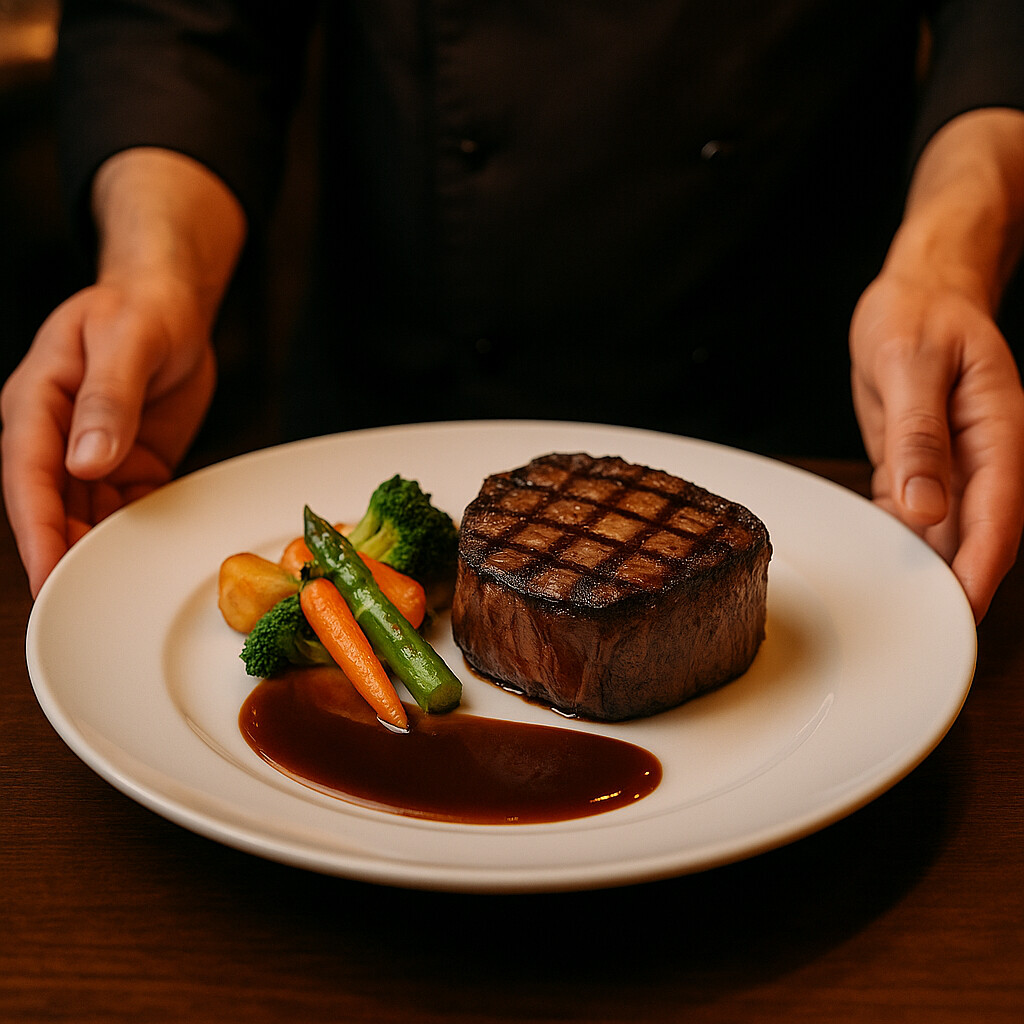
What do the sides tell you? The side dishes matter as much as the mains. A restaurant serving limp, generic sides with excellent mains is one that isn't coordinated. Places that excel put thought into every element on the plate. Look for sides that either complement the main specifically or stand on their own as choices.
How do they handle substitutions? Many menus note what can and cannot be changed. Some welcome dietary requests; others are firm about their plating. Neither is wrong—it depends on what kind of restaurant they're choosing to be. A place built on precise technique might not want the dish altered. A restaurant focused on accommodating the community might be more flexible. Read the menu's tone toward their diners and you'll know what to expect.
The Key Figures: What Quality Looks Like
Restaurant menus from places that care share consistent traits. They are honest about what they source—they name purveyors, specify origins, and admit when something is seasonal. A menu that says "when local peaches are in season" rather than pretending to have them year-round shows integrity.
The best menus in North Andover tell a story about the place. They explain the chef's approach, not in overwrought language, but in genuine detail. A dish with a two-sentence description that tells you about the cooking technique or the source of a key ingredient gives you information you can trust. Conversely, flowery descriptions ("pristine ocean jewels") without substance often mask a lack of confidence in the food itself.
Portion descriptions matter too. When a menu specifies "half-roasted chicken for two" or "our wood-fired pizzas range from eight to fourteen inches," you're getting transparency. Hidden portion sizes or vague servings suggest a restaurant that doesn't want you to know what you're paying for. Places built on trust show their hand.